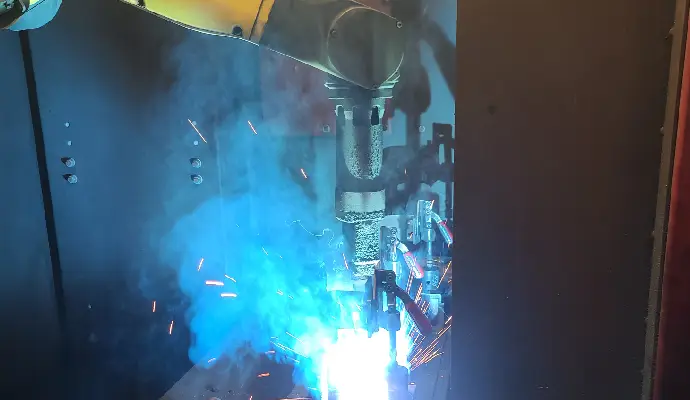
Multi-Cell Robotic Welding
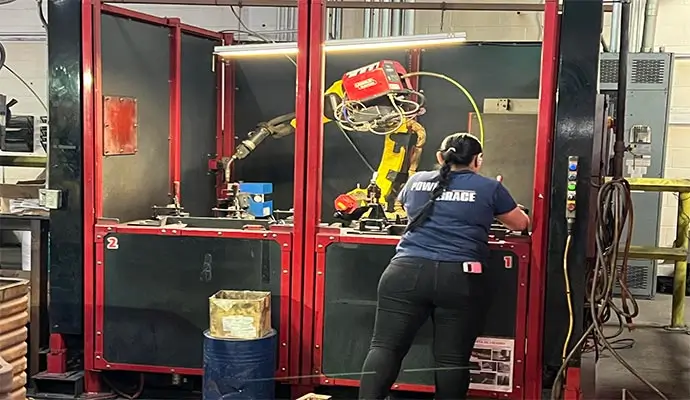
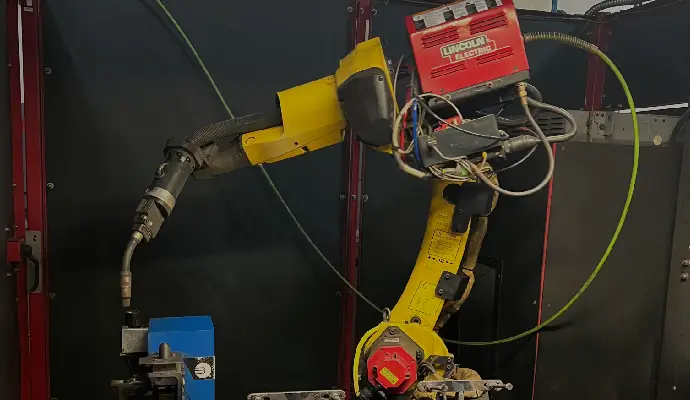
When precision welding is a non-negotiable part of your production, PowerBrace’s multicell robotic welding systems deliver unbeatable speed, accuracy, and consistency. Our facility features six advanced robotic welding cells with work zones up to 12’ x 3’, allowing us to handle a wide range of part sizes and configurations across multiple production lines.
Robotic welding excels in high-volume manufacturing environments where consistency is critical. It minimizes distortion, eliminates over-welding, and ensures repeatable quality on every cycle. By leveraging automated pathing and multi-axis maneuverability, our robotic systems can tackle intricate weld patterns and challenging materials. For customers who need durable, clean, and code-compliant welds at production scale, our robotic cells are an ideal fit.
Get repeatable weld quality and production speed. Schedule a Demo or Quote.
Contact Us Now 515-882-4252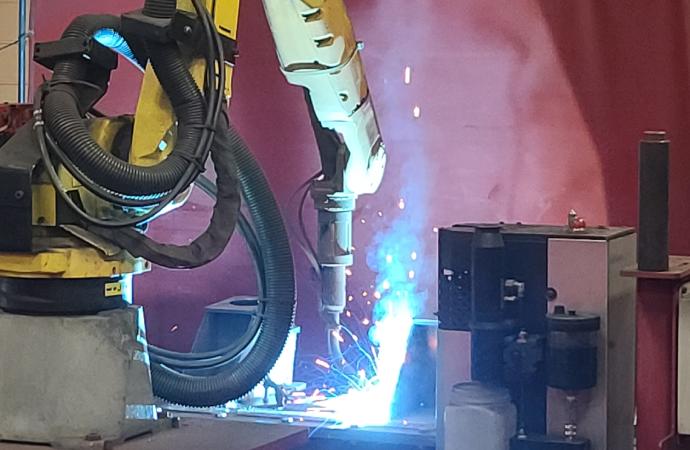
How Our Robotic Welding Process Works
Robotic welding projects begin with fixture design and weld path programming by our engineering team. Parts are loaded into one of six robotic welding cells trigger. Automated weld cycles ensure consistent penetration, reduced distortion, and repeatable quality across high-volume runs.
Robotic welds are inspected for accuracy before progressing to assembly or finishing.
Talk to a Welding Engineer to determine if robotic, manual, or hybrid welding is best for your project.
Ideal Use Cases for Robotic Welding
Ideal for:
- Structural steel assemblies
- Solar and battery infrastructure
- Transportation frames
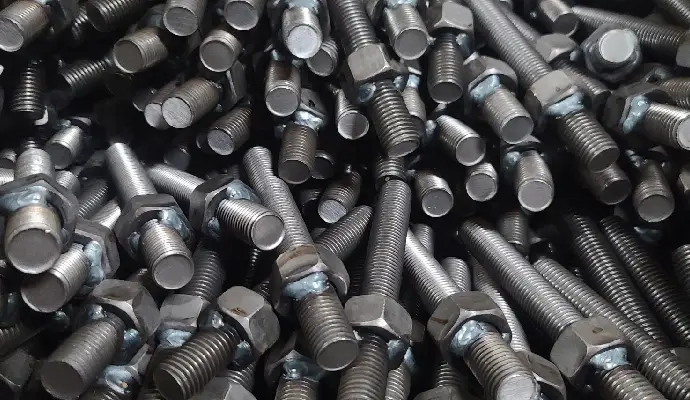
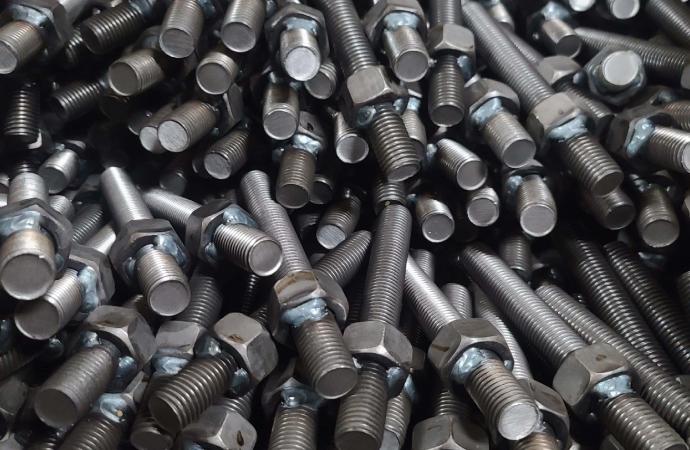
- OEM welded subassemblies
Best suited for: High-volume, repeatable weld applications where consistency is critical.
Contact Us Now 515-882-4252